You don’t have a “marketing budget.” You have a first marketing rand, and it can only go one place. That’s the real seo vs ppc for cape town startups decision, and it’s landing at a tighter moment than usual — across Africa, debt financing has overtaken equity for the first time this cycle, with debt up roughly 6x to $305m while equity fell 27% to $290m in Q1 2026. That’s a continental, not South Africa-specific, stat, but it points to the same thing Cape Town founders are feeling: every rand has to earn its place.
This isn’t another “pros and cons” post — that comparison already lives elsewhere on this blog. This is the decision itself.
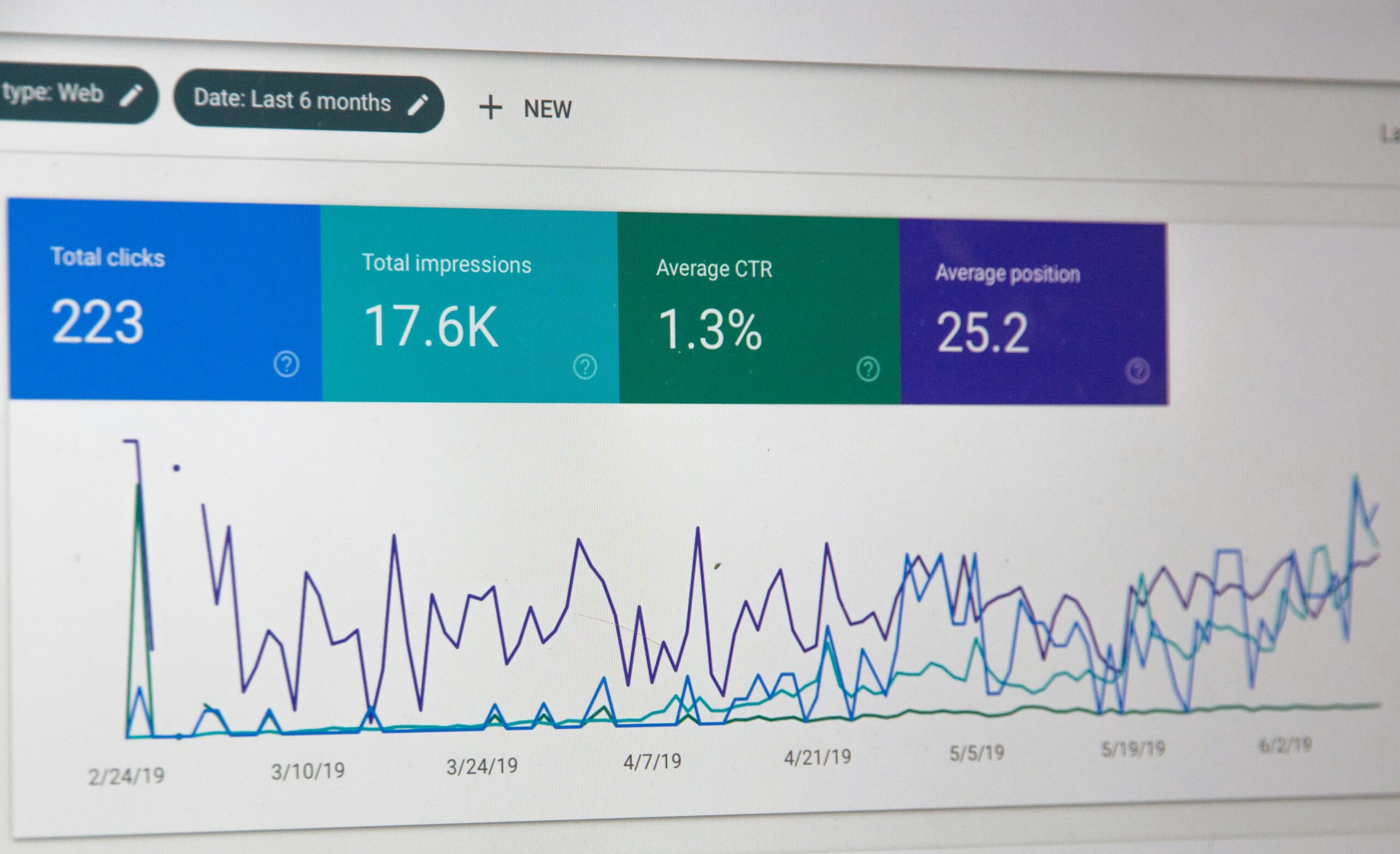
Photo by Stephen Phillips – Hostreviews.co.uk on Unsplash
Why “it depends” isn’t a good enough answer when you can only fund one channel
You’ve probably already read the standard SEO-vs-PPC content: PPC is fast, SEO is durable; PPC is rented attention, SEO is an owned asset. That’s true, and we’re not going to re-explain it here — this post assumes you already know it. What that content skips is the part that actually matters when you’re staring at one number in your bank account: this isn’t a feature comparison, it’s a budgeting decision. And a budgeting decision needs variables, not adjectives. Below are the four that actually decide where your first rand should go.
The four questions that decide your SEO vs PPC for Cape Town Startups call
Before diving into each one, here’s the whole framework so you know what you’re working toward:
- How much runway do you actually have?
- How long is your sales cycle?
- How competitive is Cape Town for your category?
- What’s the actual cost and timeline tradeoff, in rand?
Answer all four and you’ll know whether you should do SEO or PPC first — not guess.
Question 1 — How much cash runway do you actually have?
This is the variable that overrides the others when it’s tight enough. If you’re pre-revenue or have only a few months of runway, you can’t afford SEO’s 3-6 month lag to first measurable movement — you need PPC’s near-immediate lead flow just to keep the lights on. If you’ve got 12 or more months of runway, you can let SEO build in the background while you figure everything else out.
As a starting point, most SA marketing advisors recommend budgeting 5-15% of gross revenue toward marketing overall. And if your total marketing budget sits under roughly R25,000-R28,000 a month, the general rule of thumb is to pick one channel, not split a small budget across two — usually SEO, unless you need leads immediately to survive, in which case it’s PPC.
The simple version:
- Under about 6 months runway → PPC first. You need leads now, not in a quarter.
- 12+ months runway → SEO can start now, in parallel with whatever else you’re doing.
Question 2 — How long is your sales cycle?
Runway tells you how much time you have. Sales cycle tells you how long it takes a rand spent to turn into a rand earned. If you’re selling something transactional — a home service, a retail product, anything with a short, low-friction purchase — PPC gets you cash-in fast, because the buyer is ready to act the moment they click. A Cape Town plumber running ads for “emergency plumber Cape Town” can have a booked job within a day.
Longer B2B sales cycles change the math. If a deal takes two or three months to close anyway, SEO’s 3-6 month runway to traction often lands close to when you’d be closing that deal regardless — so building it in parallel costs you less in opportunity than it would for a business that needs cash next week. A B2B SaaS startup selling to other companies can afford to let organic content mature while sales calls happen in the background.
Watch on YouTube
Question 3 — How competitive is Cape Town for your category?
Cape Town is South Africa’s second most competitive SEO and PPC market after Johannesburg, and that competitiveness isn’t evenly spread. Some sectors are brutal. Others, especially at the suburb or niche level, are genuinely winnable on a modest budget.
| Category | Competitiveness | Typical CPC | First-budget lean |
|---|---|---|---|
| Legal, property, healthcare, finance, tourism/hospitality | Saturated | R30–R300+/click | SEO first (or PPC only if you can afford every auction) |
| Suburb/niche B2B — e.g. “conveyancing attorney Bellville” or “SEO Claremont” | Winnable | Lower, less contested | SEO first — fast and affordable |
If you’re in one of the saturated categories with a tiny budget, PPC means paying premium rates for every visible slot in a crowded auction — you’ll get outbid by agencies with far deeper pockets, so SEO is usually the smarter first move, even though it’s slower, because it’s the one channel a small budget can actually compete in long-term. If you’re targeting a specific suburb or a genuinely niche B2B term, the opposite is true: SEO is winnable fast, because you’re not fighting the whole city for it.
Question 4 — What’s the real cost and timeline tradeoff?
This is where the runway answer from Question 1 gets concrete. What do you actually get for your rand, and when do you get it?
PPC — what it costs and how fast it moves
In South Africa, Google Ads CPCs typically run R5–R50 per click, with R10–R15 a reasonable planning average — though highly competitive categories like legal, financial, and insurance run R30–R300+/click, service businesses sit around R8–R25, and ecommerce is often cheaper at R3–R15. On top of ad spend, agency management typically costs R1,500–R7,500+ a month or 10-20% of spend. Leads can start arriving within days of launch. Our paid ads campaigns team sees this constantly with new Cape Town clients — but the tradeoff is real: the moment you stop paying, the traffic stops too. It’s rented attention, not an asset.
SEO — what it costs and how fast it compounds
SA SEO packages typically start around R3,500/month for basic work and run R8,000–R15,000+ for more established programs. What you’re paying for is a slower curve: early movement in 1-3 months, real traction in 3-6 months, and compounding gains from 6-12 months onward, with local SEO averaging roughly 700% ROI for small businesses in that window. Unlike PPC, it keeps working after you stop paying for it.
One genuinely new wrinkle worth knowing: Google’s AI Overviews now appear on roughly 48% of searches and can cut organic click-through rates by 34–61%. But that risk isn’t evenly distributed — AI Overviews trigger under 2% of the time on transactional or “near me” queries, versus 80–88% of the time on broad informational queries. A transactional local business is far less exposed to that traffic loss than a startup competing on broad, informational search terms.
Putting it together — the decision framework
None of the four variables matters much in isolation — it’s the combination that tells you where to start.
| Runway | Sales cycle | Category competitiveness | Recommendation |
|---|---|---|---|
| Under ~6 months | Short/transactional | Saturated | PPC first, budget every rand toward it |
| Under ~6 months | Short/transactional | Niche/suburb | PPC first, start SEO in parallel once cash-flow allows |
| 12+ months | Long B2B cycle | Saturated | SEO first (build now), add PPC once you can outbid competitors |
| 12+ months | Long B2B cycle | Niche/suburb | SEO first — genuinely winnable, compounds before cash gets tight |
Find your own row instead of treating any single variable as the whole answer. A founder with 12 months of runway but a saturated, high-CPC category still needs a different plan than one with the same runway in a wide-open suburb niche. This is a framework, not a coin flip.
If you can afford both — the progressive budget split
If you’ve got a little more breathing room than a single-channel budget allows, a blended, shifting split often works better than picking one channel and ignoring the other. This only applies once you’ve passed the Question 1 runway test — it’s not a default for survival-stage founders.
- Month 1: Roughly 70% of budget to PPC, 30% to SEO. PPC covers cash-flow while SEO starts building in the background.
- Month 6: Shift to roughly 50/50 as organic traffic starts contributing real leads alongside paid.
- Month 12: Flip to roughly 30% PPC, 70% SEO, as compounding organic traffic takes over and PPC’s job shifts from “keep the lights on” to “fill the gaps.”
FAQ
Should I do SEO or PPC first as a Cape Town startup?
It depends on your runway, sales cycle, and how competitive your category is in Cape Town — run through the four-question framework above rather than applying a flat rule.
How much does PPC cost in South Africa?
Expect R5–R50 per click depending on your category, plus R1,500–R7,500+ a month (or 10-20% of spend) if you’re using an agency to manage it.
When does SEO start working?
Early movement typically shows in 1-3 months, real traction in 3-6 months, and compounding results from 6-12 months onward.
Can a small Cape Town startup compete in SEO against bigger agencies?
Yes, at the suburb or niche level, even on a modest budget. In saturated sectors like legal or property, it’s a much harder fight without real budget behind it.
Your first rand, decided
Don’t guess which channel is trendier — answer the four questions above for your own business. How much runway do you have, how long is your sales cycle, how competitive is Cape Town for your category, and what does the cost and timeline tradeoff actually look like in rand? The right first channel is whichever one your runway, sales cycle, and category can genuinely support. If you’d rather talk through your specific numbers than work it out alone, that’s exactly the kind of conversation our paid ads campaigns and SEO teams have with Cape Town founders every week — get in touch and we’ll help you figure out where your first rand should actually go.